


Effective home security depends on more than buying a strong lock or installing a camera. A home is best protected when doors, frames, windows, keys, lighting, alarms, and everyday habits work together. Unfortunately, many homeowners unintentionally create security gaps by overlooking small problems or relying too heavily on a single device.
Irving homeowners can reduce these risks by correcting common mistakes, maintaining their locks, and creating a clear plan for lost keys and emergencies.
1. Failing to Rekey After Moving
Receiving keys at closing does not reveal how many copies may still exist. Former owners, tenants, contractors, cleaners, relatives, or neighbors may have received keys at some point.
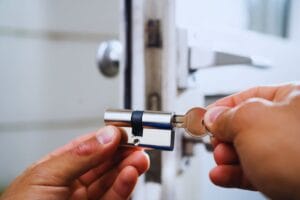
A professional house rekeying service changes the internal configuration of compatible locks so previous keys no longer work. The existing hardware can usually remain in place when it is in good condition.
Rekeying is worth considering after:
- Buying a home
- Moving into a rental with permission from management
- Ending a roommate arrangement
- Losing a key
- Changing domestic staff or contractors
- Experiencing a separation
- Discovering that unauthorized copies may exist
If the hardware is damaged, outdated, or unsuitable for the door, replacement may be more appropriate than rekeying.
2. Hiding Spare Keys in Predictable Places
Spare keys kept beneath doormats, planters, patio furniture, fake rocks, or nearby decorations are convenient—but these are also predictable hiding places.
Safer alternatives include:
- Giving a key to a trusted local person
- Using a properly installed lockbox
- Installing a keypad lock
- Using a professionally configured smart lock
- Keeping a spare in a secure off-site location
Do not label a spare key with the full property address. If it is lost, the label may connect the key directly to your home.
3. Relying on the Lock but Ignoring the Door Frame
A high-quality deadbolt cannot provide its intended protection when the door or frame is weak. The strike plate, hinges, jamb, and surrounding construction all affect the strength of the opening.
Common weaknesses include:
- Short strike-plate screws
- Cracked or damaged frames
- Loose hinges
- Misaligned deadbolts
- Hollow or weakened exterior doors
- A bolt that does not extend fully
- Large gaps between the door and frame
Professional lock installation and repair should include evaluating the complete opening—not just the lock cylinder. Reinforcing the strike and correcting alignment may be as important as replacing the lock.
4. Leaving Exterior Doors Unlocked
Some homeowners carefully secure the front door while leaving side, back, patio, or garage-entry doors unlocked. Every exterior opening should be treated as a potential access point.
Pay particular attention to:
- Doors hidden from the street
- Attached-garage entry doors
- Patio doors
- Side entrances
- Basement doors
- Utility-room entrances
- Doors behind fences or landscaping
The interior door connecting an attached garage to the home should have exterior-grade hardware and remain locked, even when the garage door is closed.
5. Forgetting About Sliding Doors
Sliding patio doors may have basic factory latches that weaken or become misaligned over time. Homeowners sometimes assume the door is secure simply because the latch appears engaged.
Possible improvements include:
- Repairing or replacing a weak latch
- Installing a compatible secondary lock
- Using an appropriate track-security device
- Checking for excessive lift or movement
- Maintaining rollers and alignment
- Adding suitable glass-protection measures
Emergency escape requirements must still be considered. Security modifications should not prevent occupants from leaving safely.
6. Keeping Worn or Damaged Locks
Locks may become difficult to operate because of wear, corrosion, loose components, dirt, door movement, or previous damage.
Warning signs include:
- A key that sticks
- A deadbolt that binds
- A loose cylinder
- A latch that does not retract
- A key requiring excessive force
- A lock that works only when the door is pushed or lifted
- Visible rust or impact damage
- A key that bends during use
Ignoring these symptoms may eventually cause a lock failure or house lockout. Schedule professional repair before the lock stops working completely.
7. Continuing to Use Worn Keys
Keys gradually wear down. A bent, cracked, or heavily worn key may fail to align the lock pins correctly or could break inside the cylinder.
Replace a key when:
- The blade is bent
- Cuts appear rounded
- Cracks are visible
- The key needs repeated attempts
- It works differently from a newer copy
- The head is loose or broken
Create duplicates from a properly functioning original rather than copying a badly worn key. A poor duplicate can reproduce the original’s inaccuracies.
8. Sharing One Keypad Code With Everyone
A keypad lock can simplify access, but using one permanent code for family members, cleaners, contractors, and visitors creates poor access control.
When the hardware supports it, use:
- Individual household codes
- Temporary visitor codes
- Time-limited contractor codes
- Separate codes for service providers
- Immediate removal of unused codes
Avoid predictable combinations such as birthdays, addresses, or repeated digits. Codes should also be changed if they may have been observed or shared without authorization.
9. Neglecting Smart-Lock Account Security
A smart lock may be physically strong while the associated digital account remains poorly protected.
Common mistakes include:
- Reusing passwords
- Sharing one administrator account
- Ignoring software updates
- Failing to remove former users
- Sending credentials through insecure messages
- Neglecting low-battery warnings
- Leaving default settings unchanged
- Failing to enable multifactor authentication when available
Smart-lock security involves the lock, mobile device, email account, home network, cloud service, and user-management practices.
Homeowners should also know how to use the mechanical override or approved emergency-power feature before a battery failure occurs.
10. Forgetting to Remove Access From Former Residents
When a roommate, tenant, caregiver, cleaner, contractor, or former partner no longer needs access, keys and electronic credentials should be addressed promptly.
Depending on the system, this may involve:
- Collecting physical keys
- Scheduling house rekeying
- Changing keypad codes
- Removing smart-lock users
- Deactivating mobile credentials
- Updating lockbox combinations
- Reviewing garage-access remotes
Collecting a key does not guarantee that another copy does not exist. Rekeying provides greater certainty when key control has been lost.
11. Leaving Windows Unsecured
Windows are part of the home-security plan. A locked front door offers limited protection when an accessible window remains open or has a broken latch.
Regularly check:
- Ground-level windows
- Windows near porches or trees
- Basement windows
- Garage windows
- Windows hidden by landscaping
- Locks and frames
- Screens and glass
- Emergency-egress windows
Window upgrades should maintain emergency escape requirements for bedrooms and other regulated spaces.
12. Allowing Landscaping to Create Hiding Places
Tall shrubs, overgrown trees, and dense landscaping may reduce visibility around doors and windows.
Homeowners can improve visibility by:
- Trimming plants near entrances
- Keeping house numbers visible
- Removing branches that provide upper-level access
- Maintaining clear sightlines from the street
- Adding appropriate exterior lighting
- Keeping walkways clear
Landscaping should support privacy without completely concealing vulnerable entry points.
13. Using Poor Exterior Lighting
Dark entrances make it more difficult for homeowners, neighbors, and cameras to identify activity.
Useful lighting locations include:
- Front and back doors
- Side entrances
- Driveways
- Garages
- Walkways
- Gates
- Patio doors
Lighting should be positioned to reduce deep shadows and avoid creating glare that prevents cameras from capturing useful images.
Motion-activated, scheduled, and dusk-to-dawn options may be combined according to the property’s needs.
14. Installing Cameras but Ignoring Physical Security
Cameras can document activity and provide alerts, but they do not physically secure a door. A complete home security strategy should combine monitoring with dependable locks, strong doors, and reinforced frames.
Camera mistakes include:
- Positioning devices too high
- Creating blind spots
- Failing to test nighttime images
- Ignoring low batteries
- Using default passwords
- Recording only after an event has ended
- Pointing cameras directly into glare
- Failing to protect the camera account
Review camera positioning and account permissions periodically.
15. Leaving Garage Remotes Inside Vehicles
A visible remote inside a vehicle parked outdoors may provide access to the garage. If the garage is attached to the house, this can create another path to the interior.
Consider:
- Keeping the remote out of sight
- Using a compact remote attached to your keys
- Using secure smartphone access when supported
- Removing lost remotes from the opener
- Locking the door between the garage and house
- Securing valuables stored in the garage
After a vehicle break-in, review garage credentials and interior locks rather than assuming that only the vehicle was affected.
16. Failing to Secure Detached Buildings
Sheds, workshops, detached garages, and storage areas may contain tools that are valuable or could be used to damage doors and windows.
Inspect:
- Padlocks
- Door hinges
- Hasps
- Windows
- Garage-door locks
- Fence gates
- Exterior lighting
- Door frames
Choose hardware suited to outdoor exposure. A strong padlock offers limited protection when attached to a weak or easily removed hasp.
17. Posting Travel Plans Publicly
Sharing real-time vacation details can reveal that a home is unoccupied.
Before traveling:
- Avoid public location updates
- Ask a trusted person to collect packages
- Pause mail when appropriate
- Use lighting schedules
- Check door and window locks
- Test cameras and alarms
- Remove hidden spare keys
- Secure garage remotes
- Arrange legitimate property checks
Wait until returning home before posting detailed travel photos publicly.
18. Ignoring Package-Delivery Security
Packages left near an entrance can reveal that no one is home and may attract theft.
Options include:
- Delivery notifications
- Secure delivery lockers
- Signature requirements
- Approved pickup locations
- Parcel boxes
- Coordinating with a trusted neighbor
- Using monitored delivery areas
Do not provide permanent door codes to delivery personnel unless the access system and service are specifically designed to manage secure temporary credentials.
19. Failing to Update Locks After a Break-In
After a break-in or attempted entry, homeowners may focus on visible door damage while overlooking the lock cylinder, strike plate, frame, and additional entry points.
Contact law enforcement first when a crime may have occurred. Once the property is released for repair, a locksmith can inspect:
- Deadbolts
- Door frames
- Strike plates
- Hinges
- Smart locks
- Patio-door locks
- Garage entry doors
- Key control
An emergency locksmith may provide temporary securing or immediate replacement when an exterior door cannot be locked.
20. Attempting Improvised Lock Repairs
Online instructions may encourage homeowners to force, drill, dismantle, or bypass locks. These attempts can damage:
- Lock cylinders
- Door finishes
- Frames
- Smart-lock wiring
- Glass
- Weather seals
- Internal mechanisms
They may also create safety risks or turn an inexpensive adjustment into a full replacement.
Homeowners can perform basic tasks such as replacing accessible smart-lock batteries and cleaning around a latch. Internal repairs, rekeying, and structural adjustments should be completed by a qualified professional.
21. Waiting Until a Lock Fails Completely
A lock rarely becomes difficult without a reason. Door settlement, loose hinges, worn keys, internal damage, corrosion, and misaligned strikes can all worsen over time.
Early lock installation and repair may prevent:
- A broken key
- A lockout
- A door that cannot be secured
- Damage to the frame
- Emergency service expenses
- Complete hardware failure
Schedule an inspection when a lock begins behaving differently instead of waiting until access is lost.
22. Choosing Locks Based Only on Appearance
Style matters, but exterior locks must also fit the door, frame, backset, thickness, weather exposure, and security needs.
Before choosing hardware, consider:
- Door material
- Existing preparation
- Bolt length
- Strike alignment
- Daily use
- Key-control requirements
- Smart-home compatibility
- Emergency access
- User capabilities
- Manufacturer support
Professional installation helps ensure that the selected hardware works correctly with the opening.
23. Treating Every Door the Same
Different doors may require different security solutions. A front entry, patio door, garage door, gate, and interior storage room do not necessarily need identical hardware.
A locksmith can help create a practical plan that considers:
- Which doors are exterior entrances
- Which areas need restricted access
- Whether one key should operate several locks
- Which doors benefit from keypad access
- Whether electronic credentials are appropriate
- Which openings require reinforcement
Matching the solution to the door can improve convenience without creating unnecessary complexity.
24. Having No Plan for a House Lockout
Homeowners often prepare for storms and power outages but have no plan for a lockout.
A simple plan might include:
- Keeping a spare with a trusted person
- Using a secure lockbox
- Saving a local locksmith’s contact information
- Maintaining smart-lock batteries
- Knowing the property’s authorized alternative entrances
- Keeping identification accessible
- Understanding rental-property procedures
Do not leave spare keys in obvious locations or attempt unsafe entry methods during a lockout.
Home Security Checklist for Irving Homeowners
Use this checklist to identify common weaknesses:
- Exterior doors close and latch correctly
- Deadbolts extend fully
- Strike plates are secure
- Door frames show no major damage
- Sliding doors have functional locks
- Windows close and lock properly
- Old keys have been deactivated through rekeying
- Spare keys are stored securely
- Keypad codes are unique
- Former users have been removed from smart locks
- Smart-lock batteries are monitored
- Garage-entry doors remain locked
- Lighting covers important entrances
- Cameras have current passwords
- Emergency locksmith information is saved
Review the checklist after moving, losing keys, changing household occupants, or discovering attempted entry.
When to Call a Locksmith
Schedule professional service when:
- You lose a key
- A lock sticks or binds
- A key breaks
- A deadbolt does not extend fully
- A door cannot be secured
- You move into a new home
- A former resident retains a key
- Smart-lock hardware fails
- The frame or strike is damaged
- You experience a house lockout
- You want to upgrade exterior locks
Call emergency services instead of a locksmith when someone is in immediate danger, a fire or medical emergency exists, or a crime is actively occurring.
Improve Home Security With Bulldog Locksmith
Avoiding common security mistakes can make an Irving home more difficult to enter without authorization and easier for residents to manage safely. Strong locks are important, but proper installation, key control, door reinforcement, lighting, and consistent habits provide more complete protection.
Bulldog Locksmith provides residential locksmith services in Irving, Texas, including lock installation and repair, house rekeying service, house lockout assistance, and emergency locksmith support. Contact Bulldog Locksmith to evaluate your locks and identify practical improvements for your home.
Frequently Asked Questions
Should I rekey my locks after moving?
Yes, rekeying is worth considering because you may not know how many previous key copies exist. Compatible locks can often be rekeyed without replacing all the hardware.
Is a smart lock more secure than a deadbolt?
Security depends on the entire product and installation. A smart lock adds electronic access features, but door strength, frame condition, bolt construction, and account security still matter.
What should I do if I lose a house key?
Check whether the key can be connected to your address. If unauthorized access is possible, arrange rekeying or replacement and update any related electronic credentials.
Can a locksmith repair a lock that sticks?
Often, yes. The cause may involve the cylinder, latch, strike, hinges, door alignment, or worn key. A professional should identify the cause before replacing hardware.
Where should I keep a spare house key?
Give it to a trusted person or use a properly secured lockbox. Avoid predictable locations such as doormats, planters, and fake rocks.
When should I call an emergency locksmith?
Call when you cannot access your home, an exterior door cannot be secured, a key breaks inside a lock, or lock damage requires immediate attention.
Don’t wait until a security issue disrupts your business. Whether you’re looking to install a high security lock system, upgrade to access control, implement a master key system, or improve your overall business security, Bulldog Locksmith is here to help. Our experienced team provides professional commercial locksmith services, emergency assistance, lock installation, rekeying, and customized security solutions for businesses throughout Grand Prairie and the surrounding DFW area.
Contact us today at (682) 717-2064, visit www.bulldoglocksmith.com, or stop by our office at 445 N. Briery Rd., Irving, TX 75061 to schedule a consultation and discover how we can help keep your business secure.