
House lockouts can happen to anyone. A door may close while the keys are still on the kitchen counter, a key may break inside the lock, or a smart lock may stop responding because of a depleted battery. Whatever the cause, being unable to enter your home can quickly become stressful—especially at night, during extreme weather, or when children, older adults, or pets are inside.
Understanding the most common causes of residential lockouts can help Irving homeowners prevent them. Simple habits, routine lock maintenance, professional lock installation, and carefully selected smart locks can reduce the risk of being stranded outside your home.
Why House Lockouts Happen
Most residential lockouts are caused by a combination of human error, worn keys, damaged locks, or access systems that have not been maintained. Some situations happen suddenly, but many provide warning signs beforehand.
Common causes include:
- Keys left inside the house
- Lost or stolen keys
- Doors that lock automatically
- Broken or bent keys
- Worn lock cylinders
- Misaligned doors and latches
- Smart-lock battery failure
- Forgotten access codes
- Damaged keypads
- Unauthorized lock changes
- Keys that no longer match after rekeying
- Frozen, dirty, or corroded lock components
A professional residential locksmith can identify whether the problem is limited to the key or involves the lock, door alignment, electronic hardware, or another part of the entry system.
1. Leaving the Keys Inside
One of the most common causes of house lockouts is simply leaving the keys indoors. A homeowner may step outside to collect a delivery, take out the trash, check the mail, or speak with a neighbor. If the door closes and locks automatically, reentry may be impossible.
This situation is particularly common when:
- The door has a spring latch
- The knob or lever remains locked from the outside
- Another household member closes the door
- The homeowner is distracted or in a hurry
- The regular key is carried separately from other essentials
How to Prevent It
Develop a routine of checking for your keys before closing the door. Keeping them with another item you always carry, such as a wallet or bag, may make them easier to remember.
A professionally installed keypad or smart lock can also provide a secondary entry method. However, electronic access should be supported by proper setup, battery maintenance, and an appropriate backup plan.
2. Losing Your House Keys
Keys can be lost at work, inside a vehicle, during exercise, while shopping, or anywhere along a daily route. If no spare key is available, the homeowner may need emergency lockout assistance.
Lost keys can also create a security concern. If a key can be connected to your name or address, someone else may be able to use it.
How to Prevent It
Consider these precautions:
- Keep keys in a consistent location
- Attach them securely inside a bag
- Avoid placing your address on a key tag
- Use a key tracker if appropriate
- Maintain a controlled spare-key plan
- Replace worn key rings and clips
- Review who has copies of the key
If the keys may have been stolen or can be linked to your home, professional rekeying services may be advisable. Rekeying changes the lock’s internal keying so the missing key will no longer operate it.
3. A Door That Locks Automatically
Some entry doors lock as soon as they close. Automatic locking can improve convenience and security, but it also increases the chance of an accidental lockout.
This may happen with:
- Locked knob or lever sets
- Self-locking apartment hardware
- Electronic locks set to auto-lock
- Doors with automatic closers
- Connected home systems using timed locking
How to Prevent It
Review how every exterior door operates. If a door can lock without a key, code, or deliberate action from outside, household members should understand the risk.
With compatible smart locks, homeowners may be able to adjust the auto-lock delay. The setting should balance convenience with security; disabling automatic locking entirely may leave a door unsecured if someone forgets to lock it.
4. Broken or Bent Keys
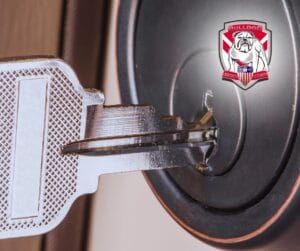
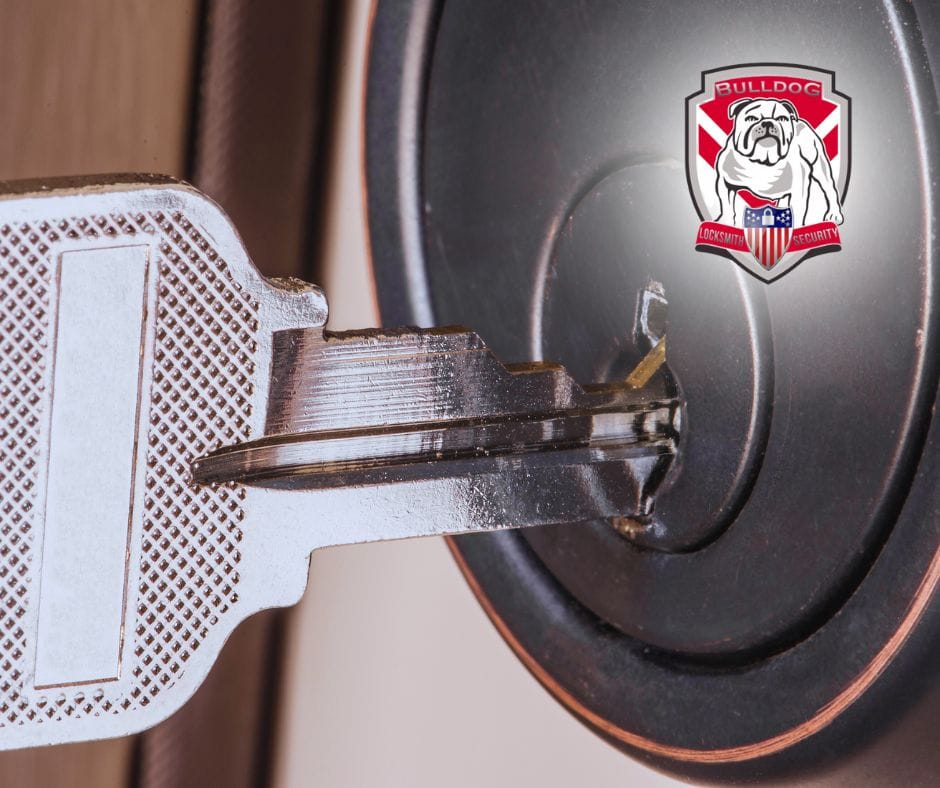
Keys weaken through repeated use. A bent, cracked, or heavily worn key may eventually break inside the cylinder, leaving part of it trapped in the lock.
Warning signs include:
- The key must be wiggled
- Turning requires unusual force
- The key appears bent
- Cracks are visible near the cuts
- The key frequently catches
- The duplicate no longer works smoothly
How to Prevent It
Replace worn or damaged keys before they break. Do not continue forcing a key that resists turning, as the problem may involve either the key or the lock.
A locksmith can inspect the keyway, remove a broken fragment, determine whether the cylinder is damaged, and cut a suitable replacement when authorized.
5. Worn or Damaged Locks
Residential locks contain moving components that can wear, loosen, or become contaminated over time. A lock may become difficult to operate before it fails completely.
Common symptoms include:
- A loose cylinder
- A key that turns without retracting the latch
- A deadbolt that sticks
- Grinding or scraping
- A latch that does not return
- Increasing resistance
- A lock that works only when the door is pushed or lifted
Ignoring these signs can result in an unexpected lockout. Professional lock repair or new lock installation may be needed, depending on the condition and security level of the hardware.
6. Door and Latch Misalignment
Sometimes the lock is functional, but the door has shifted. Temperature changes, humidity, loose hinges, building movement, and repeated use can affect how the latch or deadbolt meets the strike plate.
You may notice that:
- The door must be pushed or pulled to lock
- The deadbolt does not enter the strike easily
- The latch rubs against the frame
- The door appears uneven
- The problem changes with the weather
- The lock works normally when the door is open
Continuing to force the lock can damage the key, bolt, or cylinder.
How to Prevent It
Have the hinges, strike plate, frame, and lock alignment inspected. Correcting the alignment can improve operation and reduce stress on the hardware. Replacing the lock alone may not solve a problem caused by the door or frame.
7. Smart-Lock Battery Failure
Electronic locks provide convenient keyless entry, but many depend on batteries. If battery warnings are ignored, the keypad, motor, wireless connection, or fingerprint reader may stop working.
A lockout can also happen when:
- The batteries are installed incorrectly
- Low-quality batteries lose power quickly
- Battery contacts become dirty or corroded
- Extreme temperatures affect performance
- The mobile app cannot connect
- The home network or hub is unavailable
- A software or configuration problem occurs
How to Prevent It
For dependable smart locks:
- Replace batteries when the first warning appears
- Use the battery type recommended by the manufacturer
- Test backup-entry procedures before they are needed
- Keep authorized physical keys secure when applicable
- Confirm that household members know their codes
- Update access permissions when residents change
- Follow the manufacturer’s maintenance instructions
Not every smart lock provides the same backup features. Review the product’s emergency-power or mechanical-entry options before choosing it.
8. Forgotten or Incorrect Access Codes
Keypad locks eliminate the need to carry a traditional key, but homeowners may forget codes they rarely use. Codes may also stop working after programming changes, resets, or expired permissions.
How to Prevent It
Use a memorable but difficult-to-guess code. Avoid common combinations such as sequential numbers, repeated digits, birthdays, or a visible portion of the home address.
Homeowners should also:
- Keep an authorized record in a secure location
- Remove codes assigned to former residents or workers
- Test new codes before closing the door
- Provide each regular user with a separate code when supported
- Review temporary access permissions
- Avoid sharing the primary administrator code unnecessarily
These practices create a basic form of residential access control, allowing the homeowner to manage who can enter and, with some systems, review when credentials are used.
9. Using the Wrong or Outdated Key
After rekeying services or lock replacement, old and new keys may become mixed together. Someone may leave home with a key that looks correct but no longer operates the current lock.
This is particularly common in households with:
- Several exterior doors
- Multiple rental properties
- Similar-looking keys
- Recently replaced locks
- Several family members
- Separate keys for gates, garages, and storage areas
How to Prevent It
Test every newly issued key before relying on it. Remove outdated keys from key rings and dispose of them securely. A simple identification system can help, but labels should not reveal the associated address if the keys are lost.
10. A Spare Key Is Unavailable
A spare key can prevent a minor mistake from becoming an emergency, but only if it is stored securely and remains accessible to an authorized person.
Avoid obvious outdoor hiding places such as:
- Under the doormat
- Inside an unlocked mailbox
- Beneath a nearby flowerpot
- Above the door frame
- Under a decorative object beside the entrance
These locations are widely known and may create a security risk.
Safer Alternatives
Depending on the household, safer options may include:
- Leaving a spare with a trusted nearby person
- Using a properly secured key safe
- Installing a professionally configured keypad lock
- Maintaining an authorized backup method for a smart lock
A locksmith can explain the advantages and limitations of different backup-entry options.
What to Do During a House Lockout
If you cannot enter your home, remain calm and first confirm whether another authorized entrance is available. Contact a household member, property manager, or trusted person who legitimately holds a spare key.
If no safe entry option exists, request professional emergency lockout assistance from a reputable local locksmith.
When calling, be prepared to provide:
- Your location
- The type of property
- The affected door
- The type of lock, if known
- Whether a key is lost, broken, or inside
- Whether a child, vulnerable adult, or pet is in danger
- Proof that you are authorized to enter
A legitimate locksmith may ask for identification or other evidence of residency or authorization before completing the service.
If there is an immediate threat to someone’s safety—such as a child locked inside near a hazard, a medical emergency, smoke, or fire—contact emergency services rather than waiting for routine locksmith assistance.
What Not to Do During a Lockout
Avoid trying to force the door, break a window, or use improvised tools. These actions can cause injury and may damage:
- The lock cylinder
- Door hardware
- The frame
- Weather stripping
- Glass
- Security sensors
- Smart-lock wiring
- Exterior finishes
Repairing the damage may cost more than professional lockout service. Forced entry may also make the home difficult to secure afterward.
Can a Locksmith Open the Door Without Replacing the Lock?
In many cases, an experienced residential locksmith can restore entry without replacing the entire lock. The appropriate method depends on the hardware’s condition, lock design, door alignment, and circumstances of the lockout.
Replacement may be necessary when:
- The lock is severely damaged
- A key has broken and damaged the cylinder
- The hardware has failed internally
- The lock no longer provides appropriate security
- Forced-entry attempts have damaged the door
- The homeowner chooses an upgraded system
The locksmith should evaluate the hardware before recommending repair, rekeying, or replacement.
When Rekeying Services Are Recommended
A lockout does not always require rekeying. However, rekeying services may be appropriate when:
- House keys were lost or stolen
- A former resident still has a key
- Too many unauthorized duplicates may exist
- The property has recently changed occupants
- Contractors or temporary workers had access
- The homeowner wants one compatible key for several locks
- Current key control is uncertain
Rekeying is different from replacing a lock. The existing hardware is generally retained, while the cylinder is adjusted to accept a new key. The lock must still be in suitable condition for rekeying to be practical.
How Professional Lock Installation Helps Prevent Lockouts
Correct lock installation affects both security and reliability. If the hardware is poorly aligned or installed under tension, the key, latch, or deadbolt may become difficult to operate.
Professional installation should account for:
- Door thickness
- Backset
- Bore dimensions
- Strike alignment
- Frame condition
- Deadbolt clearance
- Hardware compatibility
- Electronic-lock requirements
- Desired security level
- Backup-entry options
A locksmith can also help homeowners choose hardware that fits their routine. A household that frequently forgets keys may benefit from keypad access, while another may prefer a traditional deadbolt with controlled spare keys.
Smart Locks and Residential Access Control
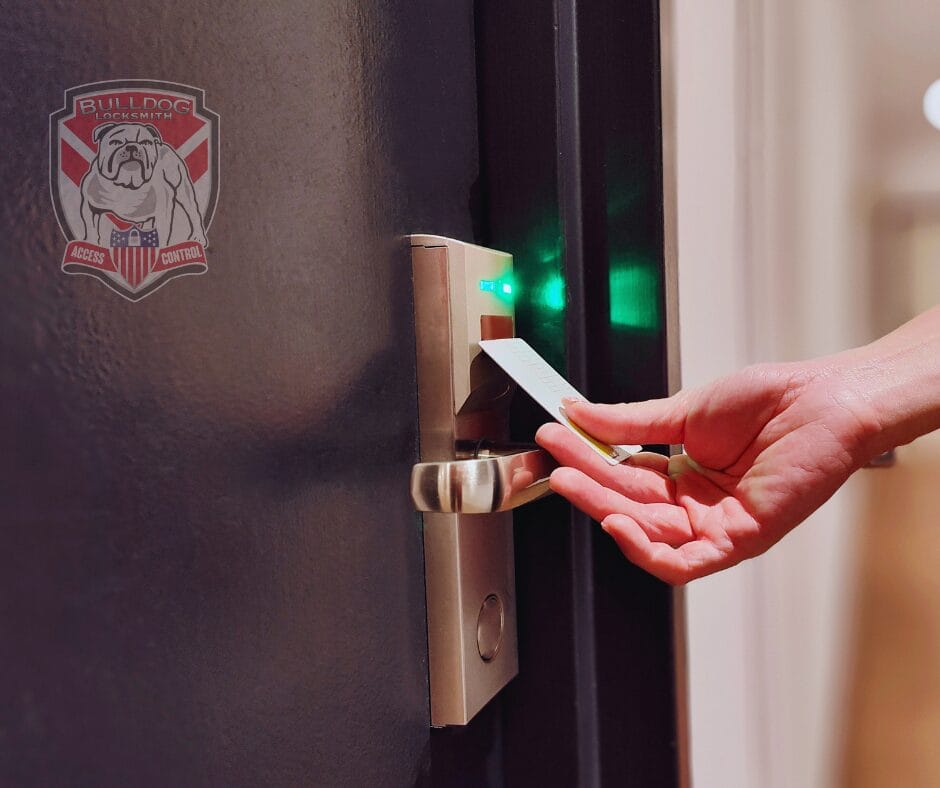
Modern smart locks can reduce some causes of lockouts by providing access through codes, mobile devices, fingerprints, or connected home platforms. They may also support temporary credentials for guests, cleaners, caregivers, or contractors.
These capabilities provide a form of home access control, helping residents manage entry without distributing permanent physical keys.
Potential advantages include:
- Keyless entry
- Individual user codes
- Temporary access
- Remote status monitoring on supported systems
- Automatic locking
- Entry notifications
- Easier removal of old credentials
Smart locks can still fail because of battery loss, incorrect setup, damaged hardware, or connectivity issues. Homeowners should select a reliable product, arrange professional installation when appropriate, and maintain a tested backup-entry method.
A Simple House Lockout Prevention Checklist
Use this checklist to reduce the chance of being locked out:
- Confirm you have your keys before closing the door
- Replace bent or worn keys
- Test all spare keys
- Remove outdated keys from key rings
- Address sticking locks promptly
- Correct door and strike misalignment
- Replace smart-lock batteries early
- Review access codes regularly
- Keep backup entry methods secure
- Rekey locks after lost or stolen keys
- Use professional lock installation
- Save the contact information of a trusted locksmith
Preventive action is especially important when a lock has already begun showing signs of failure.
Residential Locksmith Services in Irving, TX
Most house lockouts can be traced to forgotten keys, missing keys, damaged locks, door misalignment, electronic failure, or outdated access credentials. Developing better key habits and maintaining your locks can reduce the likelihood of an emergency.
Bulldog Locksmith provides residential locksmith services in Irving, TX, including emergency lockout assistance, lock installation, lock repair, rekeying services, and smart-lock solutions. Whether you need help regaining authorized access or want to improve your home’s entry system, a professional locksmith can evaluate the door and recommend an appropriate solution.
Contact Bulldog Locksmith for residential lockout help and home lock services in Irving.
Contact us today at (682) 717-2064, visit www.bulldoglocksmith.com, or stop by our office at 445 N. Briery Rd., Irving, TX 75061 to schedule a consultation and discover how we can help keep your business secure.
Frequently Asked Questions
What is the most common cause of a house lockout?
Leaving keys inside or losing them are among the most common causes. Automatic-locking doors, damaged keys, worn locks, forgotten codes, and smart-lock battery failure can also cause lockouts.
Can a locksmith unlock my house without damaging the door?
In many situations, a professional locksmith can restore authorized entry without damaging the door. The available method depends on the lock type, hardware condition, and cause of the lockout.
Should I rekey my locks after losing a house key?
Rekeying may be advisable if the lost key can be connected to your home or may have been stolen. Rekeying prevents the missing key from operating the existing lock.
How can smart locks help prevent house lockouts?
Smart locks may allow entry through a code, mobile device, fingerprint, or another authorized credential. They still require battery maintenance, correct programming, and a dependable backup-entry plan.
What should I do if my key breaks inside the lock?
Stop trying to turn or push the broken key farther into the cylinder. Contact a residential locksmith to remove the fragment and inspect the lock for damage.
Is it safe to hide a spare key outside?
Common hiding places such as doormats, flowerpots, and door frames are easy to discover. A trusted key holder, properly secured key safe, or professionally installed keyless system may offer a safer alternative.
When should a sticking lock be replaced?
A sticking lock should first be inspected because the cause may be a worn key, internal lock damage, door misalignment, or a problem with the strike plate. Repair, rekeying, adjustment, or replacement may be recommended based on its condition.
What information will a locksmith need during a house lockout?
The locksmith may request your location, the type of lock, a description of the problem, and proof that you are authorized to enter the property.