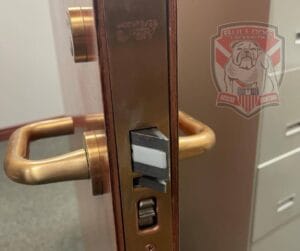


A home lockout can be stressful, especially when you are in a hurry, facing bad weather, or dealing with a key that broke inside the lock. While forcing the door may seem like the fastest solution, kicking, prying, drilling, or using improvised tools can damage the lock, frame, weather seal, or door itself.
Irving homeowners can usually avoid unnecessary damage by checking authorized alternatives, gathering useful information, and contacting a professional emergency locksmith when safe entry is unavailable.
First, Determine Whether It Is an Emergency
Before focusing on the lock, check whether anyone is in immediate danger. Call emergency services if:
- A child or vulnerable person is locked inside
- Someone needs urgent medical help
- A fire or gas leak may be present
- Food is burning on the stove
- A pet is in immediate danger
- You suspect an intruder is inside
- Someone cannot exit the home safely
A locksmith is not a substitute for police, fire, or medical assistance during an active emergency. Once the immediate danger is addressed, a locksmith may help repair or replace damaged locks.
If there is no urgent hazard, move to a safe, visible place while reviewing your options.
Check Every Authorized Entrance
Stress can make it easy to overlook a legitimate alternative entrance. Walk around the property carefully and check whether another authorized door is unlocked.
Possible access points may include:
- A back door
- A side entrance
- An attached garage
- A patio door
- A door accessible through an authorized shared area
Do not force doors or windows. Avoid climbing fences, roofs, balconies, or unstable objects. A damaged window or fall can cost far more than professional lockout assistance.
If you rent the property, contact the landlord, leasing office, or property manager before modifying any lock.
Contact Someone With a Spare Key
Call a household member, trusted relative, neighbor, landlord, or property manager who may have an authorized spare key.
If someone can bring the spare within a reasonable time, this may be the simplest way to regain access without disturbing the lock.
For future emergencies, safer spare-key options include:
- Leaving a key with a trusted local contact
- Using a professionally selected lockbox
- Installing an appropriate keypad lock
- Using a smart lock with secure backup access
Avoid hiding keys beneath doormats, planters, patio furniture, or fake rocks. These locations are convenient but predictable.
Check Approved Smart-Lock Backup Options
If the home uses a smart lock, the problem may involve the battery, mobile application, network, code, or mechanical alignment.
Follow only the manufacturer’s approved instructions. Depending on the lock, authorized backup options may include:
- A mechanical emergency key
- An external battery terminal
- A backup PIN
- Access through an administrator account
- Remote unlocking by an authorized household member
- A manufacturer-supported recovery process
Do not dismantle the lock, connect it to an unapproved power source, or force the thumb turn. These attempts may damage the electronics and make professional entry more difficult.
Call a Professional Emergency Locksmith
If no safe alternative is available, contact an emergency locksmith serving Irving. A trained locksmith can inspect the lock and choose an appropriate entry method based on its type and condition.
When possible, the locksmith may use techniques intended to preserve:
- The lock cylinder
- Door finish
- Door frame
- Weatherstripping
- Smart-lock electronics
- Existing keys
- Strike hardware
Nondestructive entry is not possible in every situation. A failed or damaged high-security lock may require drilling or replacement. However, destructive entry should generally follow an inspection and explanation rather than being the automatic first step.
Provide Accurate Details Before Dispatch
Clear information helps the locksmith arrive with suitable tools and potential replacement hardware.
Be prepared to provide:
- Your name
- Exact Irving service address
- Type of property
- Door and lock type
- Whether the key is lost, broken, or inside
- Whether a deadbolt is engaged
- Whether the lock is mechanical, keypad, or smart
- Any visible damage
- Whether you rent or own the property
- Safe parking instructions
- Photos of the lock when available
If part of a key is stuck inside the cylinder, mention it because professional key extraction equipment may be required.
Ask for an Estimate Before Service Begins
The cost of a home lockout may depend on:
- Lock type
- Door condition
- Service time
- Entry method
- After-hours availability
- Broken-key removal
- Replacement hardware
- Additional rekeying
- Existing damage
Before confirming service, ask:
- Is there a service-call fee?
- What is the estimated total?
- Does the estimate include labor?
- Are after-hours charges different?
- What could cause the price to change?
- Is drilling expected?
- Will replacement hardware cost extra?
- Will you provide an itemized invoice?
An on-site estimate may change if the lock differs from the original description, but the technician should explain the difference before performing additional work.
Prepare to Verify Your Authorization
A responsible locksmith should confirm that you are authorized to enter the property.
Verification may include:
- Government-issued identification
- A lease
- Property documentation
- Utility records
- Confirmation from the owner
- Authorization from property management
If your identification is locked inside, explain that when requesting service. The locksmith may use an appropriate process to verify it after access is restored.
This requirement protects homeowners and tenants by reducing the risk of unauthorized entry.
Avoid Using Credit Cards or Plastic Shims
Some online advice recommends sliding a credit card between a door and frame. This method is unreliable and can damage the card, weather seal, door finish, or latch.
It also will not open:
- A properly engaged deadbolt
- Many modern latch designs
- Locks with security guards
- Doors with tight weatherstripping
- Correctly installed exterior hardware
Attempting to bypass a lock without knowing its construction may make the situation worse.
Do Not Kick or Shoulder the Door
Forcing a locked door may break more than the lock. The impact can damage:
- The frame
- Door jamb
- Hinges
- Strike plate
- Drywall
- Exterior trim
- Door slab
- Glass panels
- Alarm sensors
The door may also become impossible to secure afterward. What began as a routine lockout could then require emergency board-up, frame repair, and new lock installation.
Do Not Attempt to Drill the Lock
Drilling requires an understanding of the lock’s design and a plan for restoring security afterward. Incorrect drilling can damage:
- The cylinder
- Lock body
- Mounting hardware
- Door preparation
- Electronic components
- Surrounding finish
It may also make professional opening or key extraction more difficult.
If drilling is necessary, a locksmith should explain why and identify the hardware that will need to be replaced.
Never Force a Key That Will Not Turn
A key may refuse to turn because of:
- A worn blade
- Internal lock damage
- Dirt or debris
- Door misalignment
- Pressure on the deadbolt
- Corrosion
- The wrong key
- Cold or damaged hardware
Forcing it can bend or break the key. Try gently relieving pressure on the door without applying excessive force to the key. If it still will not turn, stop and request professional help.
What to Do When a Key Breaks in the Lock
A broken key can sometimes be removed without replacing the entire lock, but improvised extraction attempts may push the fragment deeper.
If a key breaks:
- Stop turning the remaining piece.
- Do not insert glue into the cylinder.
- Avoid screws, drills, knives, or wire.
- Keep any broken pieces you can retrieve safely.
- Photograph the lock if possible.
- Contact a locksmith for professional key extraction.
After removing the fragment, the technician should inspect the lock to determine why the key broke. The cylinder may need cleaning, repair, rekeying, or replacement.
What Happens During Professional Lockout Service?
A typical appointment may include:
- Verifying authorization
- Inspecting the door and lock
- Confirming the estimate
- Explaining the entry method
- Attempting suitable nondestructive access
- Restoring entry
- Checking the lock for damage
- Testing the door and key
- Recommending repairs or security changes
- Providing an invoice
A lockout service does not automatically require replacing the lock. Additional work should be based on the hardware’s condition and the security circumstances.
Should You Rekey the Lock After a Home Lockout?
A simple lockout does not always require rekeying. If the key was left safely inside and no copies are missing, the current key system may remain secure.
Professional lock rekeying services should be considered when:
- A key is lost
- A key may have been stolen
- The missing key can be connected to your address
- A former resident has a key
- You recently moved
- You do not know how many copies exist
- A contractor or service provider retained access
- Unauthorized entry is suspected
Rekeying changes the internal key configuration of compatible hardware. Old keys stop working, while the existing lock can remain installed when it is in good condition.
Rekeying vs. Lock Installation
Rekeying and replacement solve different problems.
| Service | What changes | When it may be appropriate |
|---|---|---|
| Lock rekeying | Internal key configuration | The hardware works, but key control has been lost |
| Lock repair | Damaged or misaligned components | The lock can be restored safely |
| Lock installation | The complete lock or major hardware | Existing hardware is damaged, outdated, or unsuitable |
| Key extraction | A broken key is removed | A fragment remains inside the lock or ignition |
New lock installation may be recommended if the existing hardware is badly damaged, repeatedly failing, severely corroded, or incompatible with the desired security features.
When the Door—Not the Lock—Causes the Problem
A lock may appear faulty when the actual problem is door alignment.
Warning signs include:
- The door must be pushed to lock
- The deadbolt rubs against the strike
- The latch does not engage
- Hinges are loose
- The frame has shifted
- The door drags against the floor
- The lock works when the door is open but not when closed
Replacing the lock without correcting the alignment may lead to another failure. A professional should evaluate the complete opening.
How to Prevent Future Home Lockouts
After access is restored, take a few preventive steps.
Create a Secure Spare-Key Plan
Keep a spare with a trusted person or in a quality lockbox. Avoid obvious outdoor hiding places.
Replace Worn Keys
Bent, cracked, and heavily worn keys can break or stop operating the lock reliably.
Repair Difficult Locks Early
Do not ignore sticking cylinders, loose hardware, or deadbolts that require excessive pressure.
Maintain Smart-Lock Batteries
Respond promptly to low-battery warnings and understand the approved backup-access procedure.
Use Individual Keypad Codes
Give household members individual credentials when the system supports them. Temporary codes may be useful for authorized visitors.
Save a Local Locksmith’s Contact Information
Choosing a locksmith before an emergency reduces pressure during an unexpected lockout.
Choosing a Locksmith in Irving
Before requesting service, confirm:
- Company identity
- Irving service availability
- Estimated arrival window
- Pricing procedures
- Identification requirements
- Experience with your lock type
- Warranty terms
- Accepted payment methods
- Whether an itemized invoice is provided
Be cautious of providers who refuse to discuss pricing, identify the company, verify authorization, or explain why destructive entry is necessary.
Call Bulldog Locksmith During a Home Lockout
A home lockout does not have to result in a damaged door or broken window. Check for a safe authorized entrance, contact someone with a spare key, follow approved smart-lock procedures, and request professional service when you cannot regain access safely.
Bulldog Locksmith provides residential locksmith services in Irving, Texas, including home lockout assistance, key extraction, lock rekeying services, lock repair, and professional lock installation. Contact Bulldog Locksmith when you need help restoring authorized access without unnecessary damage.
Contact us today at (682) 717-2064, visit www.bulldoglocksmith.com, or stop by our office at 445 N. Briery Rd., Irving, TX 75061 to schedule a consultation and discover how we can help keep your business secure.
Frequently Asked Questions
Can a locksmith open my door without damaging it?
Many locks can potentially be opened through nondestructive methods. The result depends on the lock type, hardware condition, security features, and previous damage.
Should I break a window during a home lockout?
No, unless emergency responders direct otherwise during an immediate life-safety emergency. Broken glass can cause injuries and lead to costly window and security repairs.
What should I do if my key breaks inside the lock?
Stop using the lock and avoid inserting glue, drills, or household tools. A locksmith may be able to perform key extraction and inspect the cylinder for damage.
Do I need to rekey my home after a lockout?
Not always. Rekeying is worth considering when a key is lost, stolen, unaccounted for, or potentially available to an unauthorized person.
When does a lock need replacement instead of rekeying?
Replacement may be necessary when the lock is damaged, corroded, outdated, incompatible, or unable to provide the desired level of security.
When should I call emergency services instead of a locksmith?
Call emergency services when a child, vulnerable person, pet, fire, medical emergency, suspected intruder, or another immediate danger is inside.
Replace the placeholder
example.comaddress with the article’s final published URL.